Ready for college.

Tony College is a prescription preparedness kit planned for students living away from home. Prepare for dorm-room nausea, urinary symptoms, allergies, and trips off campus with medication options reviewed by a licensed clinician.

The six-medicine list is proposed and needs Tony's clinical and pharmacy confirmation. Prescriptions require individual medical evaluation and approval. Final contents and availability may vary.

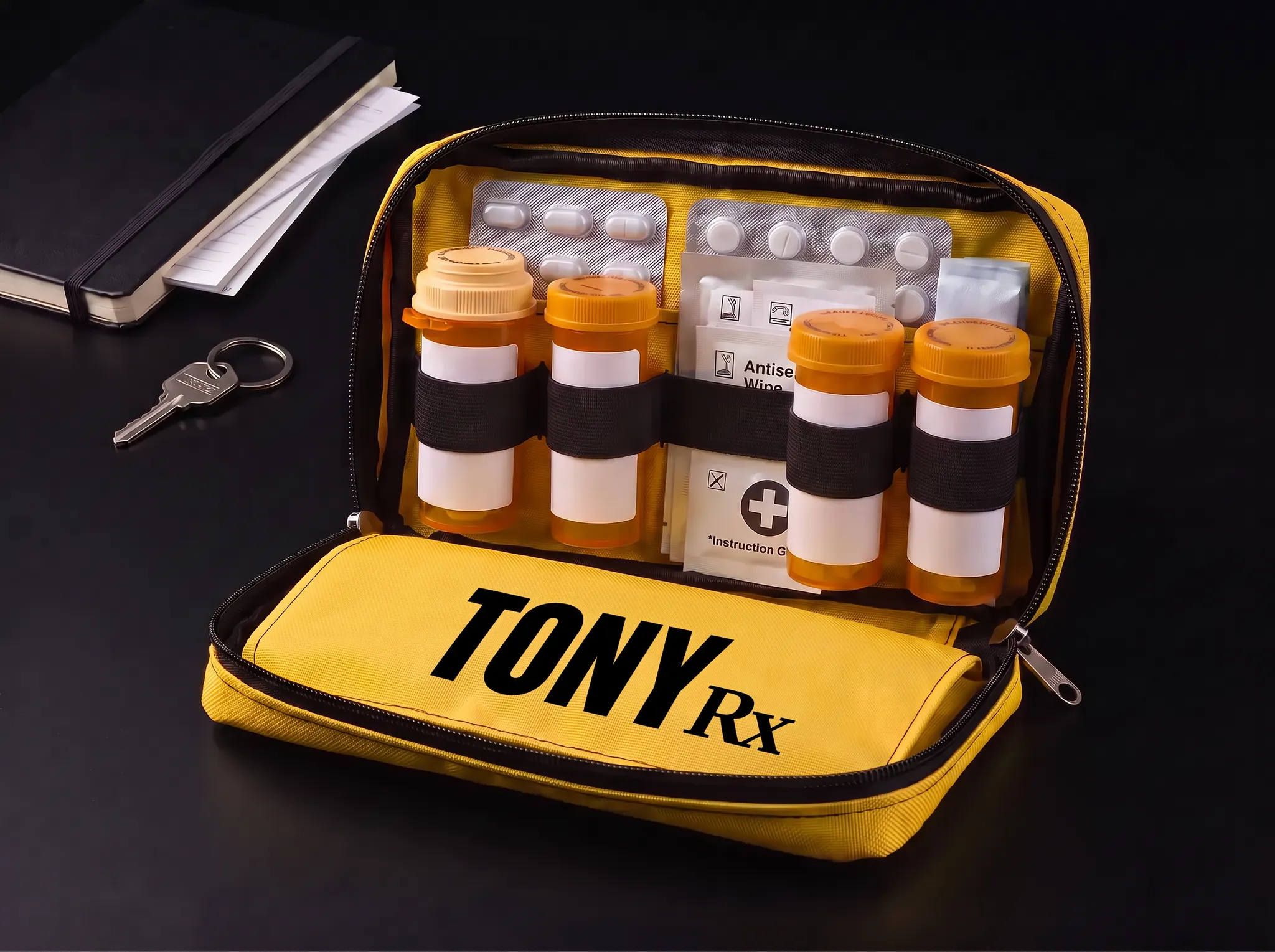
Open yellow Tony College Kit with organized medication and first-aid supplies, a notebook, and keys

Back to College Kit

$289.95

Purchase remains subject to required clinical review.

Prepared for campus life

Dorm life, classes, and trips away from campus bring different health concerns. These scenarios explain the proposed medicines, not a promise of treatment. A clinician determines what is appropriate; the kit does not replace campus health or urgent care.

Diarrhea during spring break

Loose stools can interrupt a trip away from campus. Loperamide may offer short-term symptom relief; a clinician may consider azithromycin for selected bacterial travel-related infections. Fever, bloody stool, or dehydration needs medical care.

Nausea in the dorm

When nausea or vomiting makes it hard to keep fluids down, contact a clinician. Ondansetron may be considered after evaluation. Persistent vomiting or dehydration needs prompt care; symptom relief does not treat the cause.

Motion sickness on a road trip

For eligible students, a clinician may consider a scopolamine patch before a bus ride, road trip, or boat outing. It is for motion-sickness prevention, not the same purpose as ondansetron.

Urinary symptoms between classes

Burning or frequent urination needs assessment, not guesswork. Sulfamethoxazole/trimethoprim may be considered for a suitable bacterial UTI. Fever or back or side pain needs prompt care; similar symptoms can have other causes.

A sore throat or ear pain

A sore throat before exams or ear pain after a trip may need an examination or testing. Azithromycin is an option only for selected bacterial infections when prescribed. It does not treat a cold or the flu.

A cough that keeps getting worse

A worsening cough with fever, chest pain, or shortness of breath needs prompt assessment for pneumonia or another cause. A clinician determines whether an antibiotic such as azithromycin is appropriate. Breathing difficulty requires urgent help.

Allergies around campus

Sneezing, itchy eyes, or mild allergy symptoms can disrupt class or outdoor plans. Diphenhydramine may help when suitable, but can cause drowsiness. Trouble breathing or swelling of the throat requires emergency care, not an antihistamine alone.

Sexual-health concerns

Possible STI exposure or symptoms should go through campus health or another clinician for testing and treatment. This kit is not a general STI treatment or prevention plan. Do not self-treat an STI with the listed antibiotics.

Planned college kit contents

A plan for campus life.

Six proposed medicines for distinct needs, with prescription and over-the-counter options clearly marked. Review the names, strengths, and quantities below. A licensed clinician decides which prescriptions, if any, fit the student's health history.

Illustrative open yellow Tony Rx College pouch beside a notebook and keys; not a verified six-medicine pack-out

Azithromycin 250 mg (6 tablets, Rx)

An antibiotic option for selected bacterial infections, including some respiratory, throat, ear, or travel-related infections, when a clinician determines it is appropriate. It does not treat viral colds or flu and is not a general STI treatment plan.

Loperamide 2 mg (12 tablets, OTC)

An over-the-counter option for short-term diarrhea relief during campus life or travel. It eases symptoms rather than treating an infection. Follow the package label and seek care for fever, bloody stool, or persistent symptoms.

Ondansetron 4 mg (10 tablets, Rx)

A prescription anti-nausea option a clinician may consider after assessing nausea or vomiting. It is not motion-sickness prevention and does not replace evaluation for dehydration or a serious underlying illness.

Sulfamethoxazole/trimethoprim 800/160 mg (14 tablets, Rx)

The generic combination in Bactrim DS. A clinician may consider it for a suitable bacterial urinary tract infection after reviewing symptoms, allergies, and other medicines. Burning or frequent urination can have other causes and may require testing.

Diphenhydramine 25 mg (20 tablets, OTC)

An over-the-counter antihistamine for suitable allergy symptoms such as sneezing or itchy eyes. It can cause drowsiness; avoid alcohol and driving when affected. It is not a substitute for epinephrine or emergency care for a severe allergic reaction.

Scopolamine 1 mg patch (pack of 2, Rx)

A prescription option to prevent motion-sickness-related nausea and vomiting on road trips, buses, or boats for eligible adults. A clinician reviews suitability and gives use instructions. It can affect alertness or vision; do not drive when affected.

This is a proposed medication list, pending Tony's clinical and pharmacy confirmation. Quantities describe the proposed supply, not how much to take. No prescription is guaranteed. Follow your own prescription or package label, and do not share medicines with roommates.

The planned kit also includes basic first-aid supplies. The exact supply list and digital support availability remain to be confirmed.

Individual review

Final prescriptions, substitutions, quantities, and availability depend on medical history, location, clinical judgment, pharmacy requirements, and applicable law. An inhaler, epinephrine, and pink-eye drops are not part of this proposed six-medicine list.

Care beyond the kit

The planned experience includes digital access for treatment-related questions and guidance. Final support scope and availability will be confirmed before launch.

Get prescription meds in three clear steps

Tony coordinates the online clinical review, licensed pharmacy fulfillment, delivery, and treatment-related support.

1

Online visit

Choose a prescription kit and complete a secure online medical evaluation for a licensed clinician to review.

Some locations may require a live clinician conversation.

2

Pharmacy delivery

If the clinician approves the prescription, a licensed pharmacy prepares the medication and ships it to your home.

You only receive medication after clinical approval.

3

Ongoing care

Message the care team with treatment-related questions and get guidance about responsible use and storage.

Support continues after your kit arrives.

A clinician—not Tony’s website—determines whether a prescription is medically appropriate. Product contents, timing, and availability depend on clinical review, pharmacy requirements, location, and applicable law.
Frequently asked questions

Before move-in day

Will I receive every medicine listed?

Not necessarily. The six medicines, strengths, and quantities are a proposed College Kit list that still needs Tony's clinical and pharmacy confirmation. A licensed clinician reviews the student's health history, allergies, current medicines, location, and eligibility before deciding which prescriptions, if any, are appropriate. Pharmacy availability may also affect final contents.

Can I start an antibiotic when I feel sick?

Only follow the individual plan and instructions given by your clinician. Azithromycin and sulfamethoxazole/trimethoprim are for selected bacterial infections, not viral colds or flu. A sore throat, earache, urinary symptoms, or possible STI may need testing or an examination. Do not guess which antibiotic to use or share one with a roommate.

Could a medicine affect studying or driving?

Diphenhydramine can make you drowsy, and scopolamine can affect alertness or vision. Avoid driving when affected and follow the warnings on your label. Do not combine diphenhydramine with alcohol. Ask your clinician or pharmacist about alcohol, sedating medicines, interactions, and side effects for your own prescriptions.

Who completes the medical evaluation?

The student receiving the prescription completes the required medical evaluation for a licensed clinician to review. A parent's purchase does not replace the student's evaluation. Requirements vary by location and may include a live conversation, testing, or in-person care.

When should I use campus health or urgent care?

Do not wait for a kit when symptoms are severe, persistent, or worsening. Seek prompt care for fever with urinary symptoms, back or side pain, bloody diarrhea, dehydration, persistent vomiting, or a worsening cough. Difficulty breathing, throat swelling, or other life-threatening symptoms require emergency help. An antihistamine is not enough for a severe allergic reaction.

What does digital physician access include?

Tony plans to support treatment-related questions and responsible-use guidance. The final support model, service hours, jurisdictions, and availability will be confirmed before launch. Keep campus health and emergency contact information available too; digital support does not replace urgent or emergency care.

College brings enough unknowns.

Review the proposed medicines before move-in day, and keep campus health and emergency contacts in your plan. Use any prescribed medicine only as your clinician directs.

Review the kit
Tony Rx

Tony is a developing preparedness brand. Product availability, prescribing, fulfillment, and clinical support will depend on licensed providers, pharmacy partners, location, eligibility, and applicable law. This website does not provide medical advice.

© 2026 Tony Rx. All rights reserved.